Happy Lunar New Year! This meaningful holiday is filled with long-held traditions, customs, special foods, and joyful celebrations with family. It’s a time to say goodbye to the past year and welcome a fresh new beginning. People around the globe celebrate Lunar New Year, especially across many Asian countries - and many families right here in our own community celebrate too.
What is Lunar New Year? What about Chinese New Year?
Here in the United States, many people are most familiar with Chinese New Year. You’ve likely also heard the term Lunar New Year and may have wondered if they are the same thing. They are closely connected - but not exactly the same.
Chinese New Year is one Lunar New Year celebration and is specific to China and people of Chinese heritage around the world. Lunar New Year is a broader term that refers to New Year celebrations observed in multiple Asian countries and cultures. Many of these holidays have their own names, traditions, foods, customs, and even different lengths of celebration.
While Lunar New Year celebrations share common themes - honoring ancestors, gathering with family, enjoying symbolic foods, and wishing for good fortune in the year ahead - each country and culture celebrates in its own unique way. Some celebrations fall on the same day, while others vary slightly. Lunar New Year follows a traditional lunisolar calendar and typically begins sometime between the second half of January and the second half of February, lasting anywhere from several days to more than two weeks depending on the country.
| Looking for helpful tips, fun things to do at home, and local events? Subscribe to our free weekly newsletter! |
This year Lunar New Year begins February 17, 2026 - If you want to save the date for next year it will be February 6, 2027.
Learn more about Lunar New Year!
- Great Kids' Books for Lunar New Year
- 28 Children’s Books About The Lunar New Year
- 15 Best Children’s Books about Lunar New Year
- Picture Books To Celebrate Lunar New Year
- Learn more about Chinese New Year VS Lunar New Year
Celebrating Lunar New Year with your Family
Local Celebrations 📅
For family-fun Lunar New Year celebrations in Oak Park, Agoura Hills, Malibu, Calabasas, Thousand Oaks, Newbury Park, Westlake Village and nearby in Ventura and Los Angeles counties be sure to look at the Macaroni KID Conejo Valley - Malibu - Calabasas event and activity calendar.
More Southern California Celebrations
Check back
2026 is Year of the Horse
Most Asian countries celebrating Lunar New Year in 2026 will welcome the Year of the Horse. The Horse is a symbol of energy, freedom, strength, and determination in the Chinese zodiac. Known for its spirited and hardworking nature, the Horse represents movement, independence, and a drive to chase goals with confidence. Its lively and adventurous personality inspires optimism, resilience, and forward momentum in the year ahead. In the Chinese zodiac, the Horse follows the Snake and precedes the Goat.
Whether you're expecting a child to be born in 2026, or you or someone you know was born in a previous Year of the Horse - 2014, 2002, 1990, 1978, 1966, or 1954, for example - you may notice horse-like traits such as enthusiasm, loyalty, confidence, and a love of adventure. Those born in the Year of the Horse are often described as energetic, sociable, and determined, making this one of the zodiac’s most dynamic and spirited signs.
👉 Watch this video 📺 Story Time: "The Great Race: The Story of the Chinese Zodiac" by Dawn Casey
2025 is the year of the Fire Horse. The Fire Horse is known for its passion, confidence, and bold, dynamic energy. This powerful combination brings enthusiasm, leadership, and a strong drive to pursue goals with determination. Fire intensifies the Horse’s naturally spirited personality, encouraging courage, independence, and forward momentum.
Whether you're embracing new opportunities or overcoming challenges this year, the Fire Horse’s energy invites decisive action, optimism, and wholehearted effort. Looking ahead, 2027 will be the Year of the Fire Goat, often associated with creativity, compassion, and artistic expression.
The Chinese Zodiac
Traditionally each year is represented by one of twelve animals based on the Chinese Zodiac: rat, ox, tiger, rabbit, dragon, snake, horse, goat / sheep / ram, monkey, rooster, dog, and pig. Each of these animals comes with unique traits that are indicative of what to expect in the new year. It's also believed to represent personality traits in people born that year. Additionally each animal has an element - they also rotate, there are 4 elements: wood, fire, earth and metal. Each sign reigning once every 12 years starting at the beginning of the Lunisolar year.
Interesting fact: Not all countries use the Chinese Zodiac animals some differences are:
- Thailand: Instead of a dragon they have Naga, a mythical snake-like creature believed to bring wealth and fertility, it's a common image found throughout Thai temples.
- Vietnam: Instead of the rabbit they have a cat and instead of the ox they have the buffalo.
- Burmese Zodiac: They use eight animal signs base on the eight directions: north, south, east, west, northeast, northwest, southeast and southwest. Instead of years they are rooted in the days of the week, eight animals in total with Wednesday split into morning and afternoon. The animals include: Garuda - mythical bird, tiger, lion, elephant with tusks, elephant without tusks, rat, guinea pig and dragon.
- Japanese Zodiac: Instead of the pig they have a boar in Japan, their zodiac is now based on the solar instead of lunar calendar.
Ask your kids: Which Lunar New Year animal are you like?
Learn about different Lunar New Year traditions around the world
Many of the East Asian and Southeast Asian countries outside Mainland China also celebrate Lunar New Year, including Korea, Vietnam, Taiwan, Hong Kong, Tibet, Bhutan, Mongolia, and the Philippines. Each country has its own unique traditions and customs to usher in the New Year, but common to all celebrations are coming together with family and friends, gift-giving, and preparing and eating special traditional foods.
👉 Watch with your kids 📺 Sesame Street: Happy Lunar New Year Song! 🎶
Find out how each country celebrates, and how you can bring the Lunar New Year celebration to your home:
China | Korea| Vietnam | Tibet | Mongolia
China
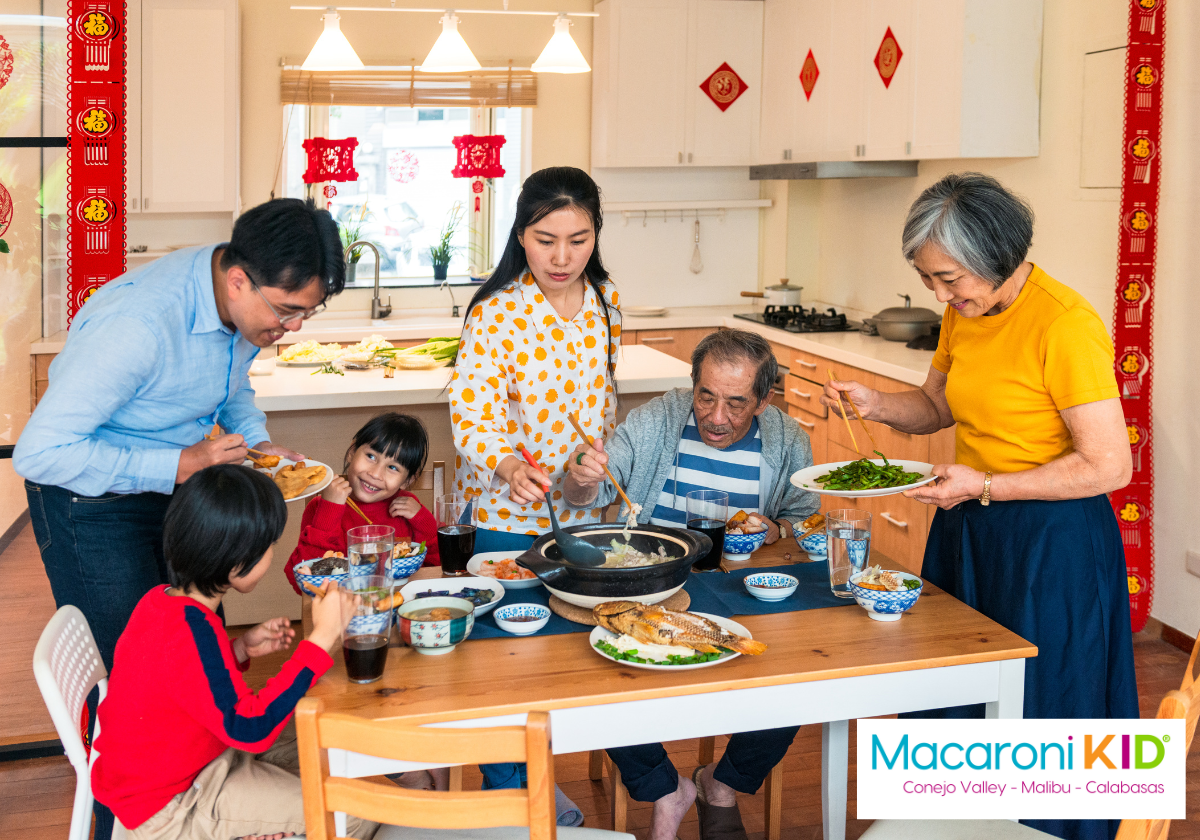
Chinese New Year or Spring festival brings dragon dances, lion dances, mooncakes, lucky foods, parades, red lanterns, fireworks, red envelopes and family . . . most of us are familiar with many of the traditions associated with Chinese New Year celebrations. Chinese New Year is a very big deal in China. Schools and businesses are closed for a whole week and millions of people travel to their hometowns to spend the holiday with family in what is often referred to as "the world's largest human migration." Red is considered a lucky color in Chinese culture, so you will see it in abundance during Lunar New Year festivities.
👉 Watch with your kids 📺"Happy Chinese New Year!" Clip | Ni Hao, Kai-Lan | Nick Animation
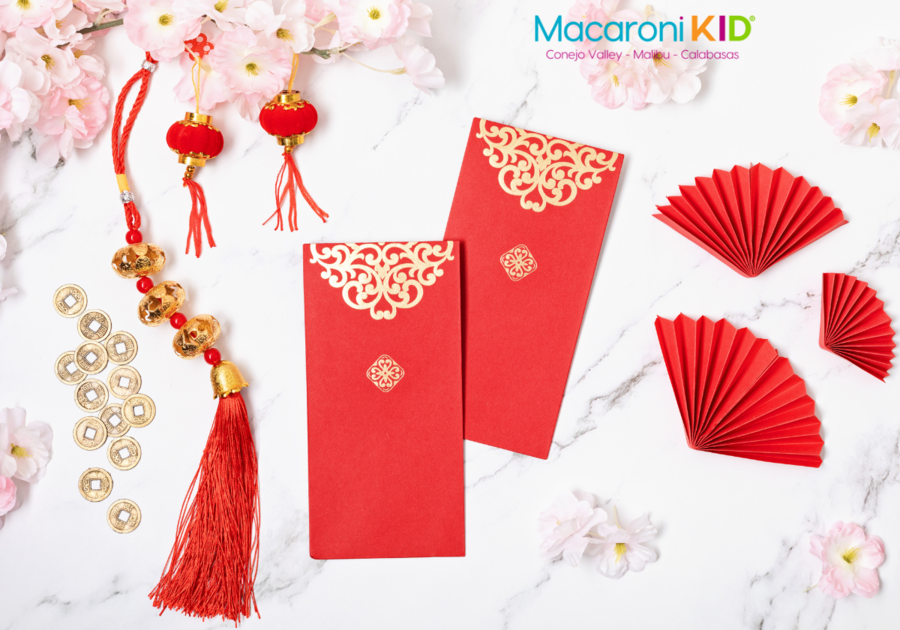
Speaking of red, those red envelopes are called hong bao and contain money that is given by elders to children. While the traditional foods prepared and eaten during New Year celebration vary somewhat by region - jiaozi "dumplings," nian goa "rice cakes," whole fish, long noodles and mandarin oranges are considered lucky foods.
How to celebrate Chinese New Year at home:
- Chinese New Year and the Legend that Started it All
- 5 Family Fun Ways to Celebrate Chinese New Year +Easy DIY Chinese New Year Craft For Kids
- Learn to say "Happy New Year" in Mandarin
- 21 Children’s Books about the Chinese New Year
- Try these kid-favorite recipes: jiaozi "dumplings" | lo mein | spring rolls
- Make this easy coconut curry chicken soup
- DIY Shuttlecock - a Chinese New Year Craft Kids can Make Then Play
- Make this adorable Chinese Dragon Puppet craft
- Watch a Chinese Dragon Dance performance and learn about its meaning
- Watch this kid-friendly video explaining the origins of Lunar New Year in China
- Fun Facts: 21 Things You Didn’t Know About Chinese New Year
- Twinkl: How Can Kids Celebrate Chinese New Year in the USA?
 1035352 by pixabay via Canva 1035352 by pixabay via Canva |
Korea
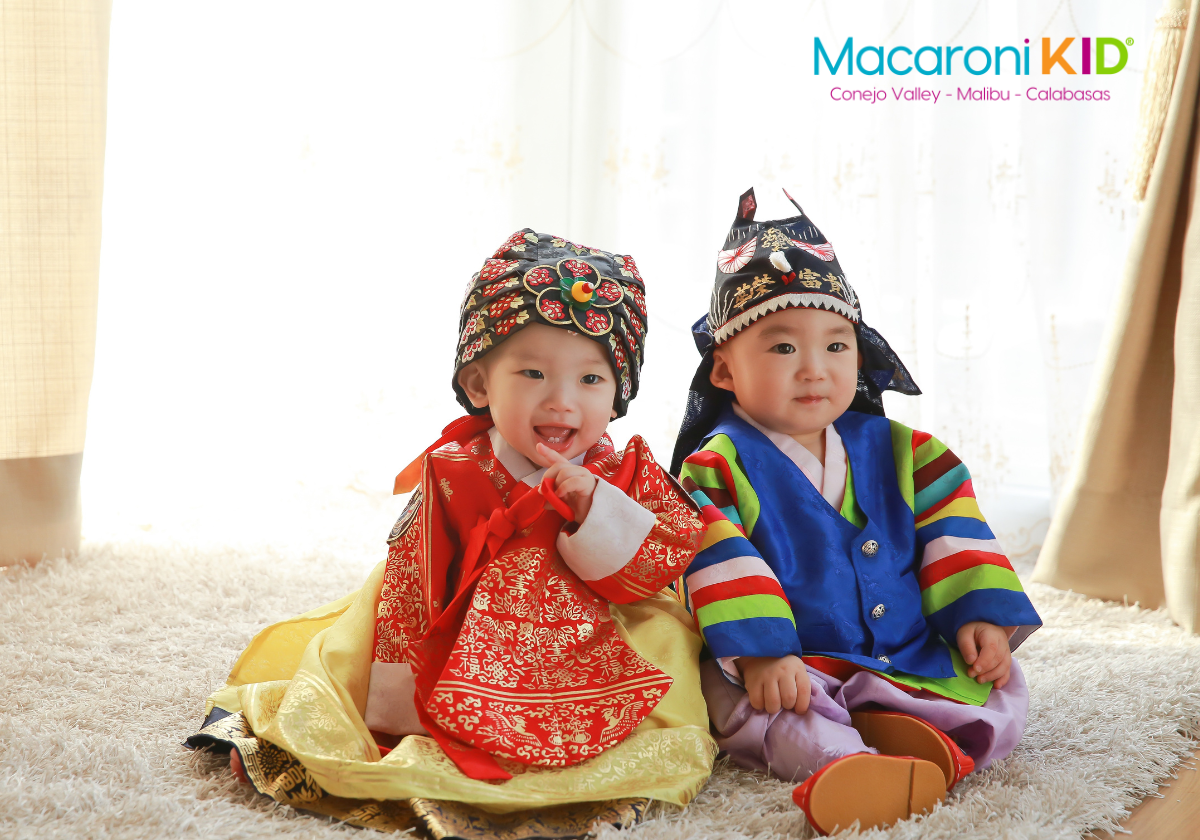
Korean Lunar New Year, called Seollal, is one of the most important national holidays in Korea, where families gather over three days — spanning from the day before Seollal to the day after — to pay respect to their ancestors, prepare and eat traditional foods, play folk games, and exchange gifts.
Eating rice cake soup "tteokguk" is an important part of the tradition, as Koreans believe everyone gets a year older on Seollal — but only if they eat their tteokguk! Kids look forward to performing a deep traditional bow "sebae" for their elder family members in exchange for blessings — and New Year's money!
How to celebrate Seollal at home:
- 10 Inspiring Korean Lunar New Year Books for Kids
- Make rice cake soup, or tteokguk (떡국). Try this rice cake soup recipe from Maangchi
- Learn how to say "Happy New Year" in Korean
- Learn the proper way to bow on Seollal - sebae
- Craft these fun Korean fans and drums and this origami Hanbok - traditional Korean dress
- Learn how to make your own Yut Nori game, a traditional board game Koreans often play on Seollal
- Korean Lunar New Year: An Interactive Guide to Seollal
 NgKhanhVuKhoa from Getty Images via Canva NgKhanhVuKhoa from Getty Images via Canva |
Vietnam
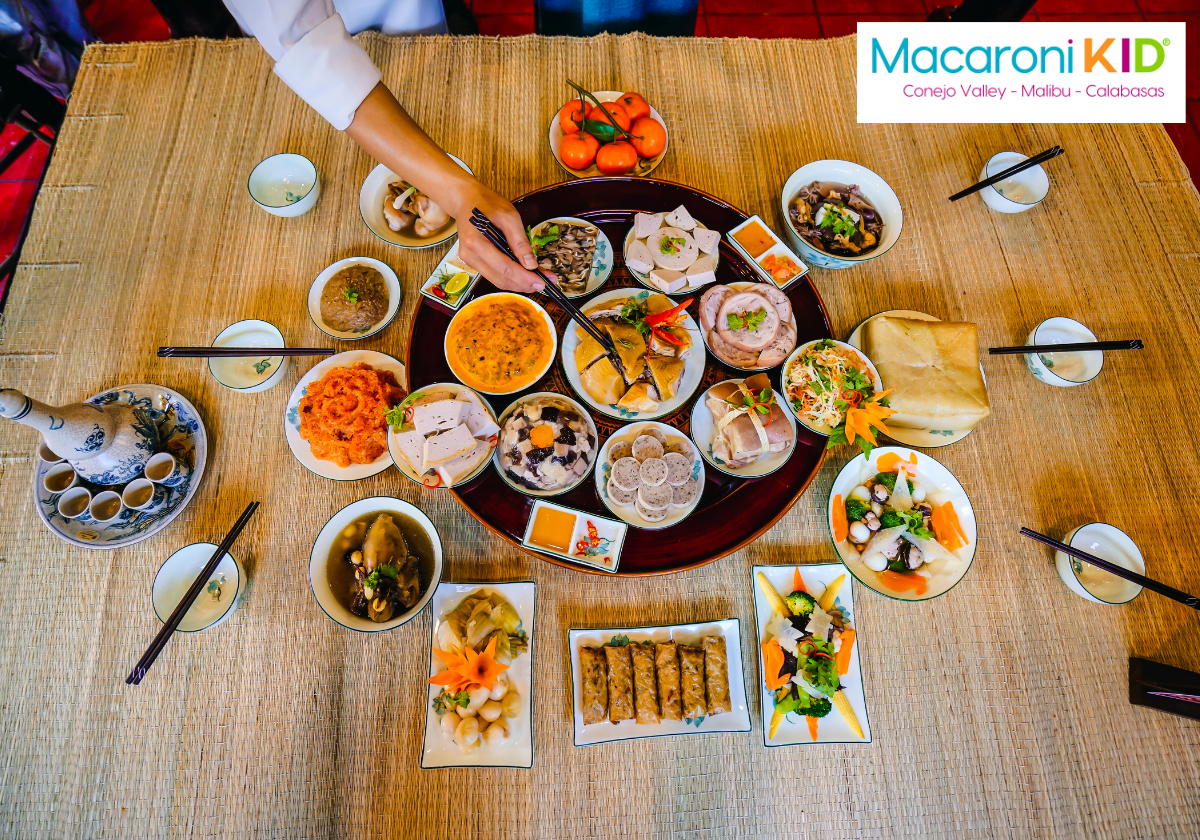
Vietnamese New Year know as "Tết" is the most important national holiday in Vietnam. Similar to Korean Seollal, Vietnamese people celebrate by returning to their home villages for big family reunions involving special holiday foods, decorations, games, ancestral worship, exchanging traditional New Year's greetings, bestowing lucky money on kids and elders, and purification rituals aimed at washing away the bad luck of the old year and welcoming the new year afresh.
Lunar New Year's Eve kicks off the celebrations with fireworks, dragon dances, and boisterous parades filled with rattles, gongs, drums, and bells meant to scare off evil spirits. The first day of Tết is the most sacred, celebrated with just close family. Family members dress up in new clothes, symbolizing a fresh start to the new year, and children receive a red envelope containing money from their elders. The following days are filled with visits with friends and extended family.
How to celebrate Tết at home:
- Video: Learn how to wish someone a "Happy New Year" in Vietnamese
- Vietnamese Zodiac
- Try this Mứt hoa quả candied fruit recipe, a favorite of Vietnamese children during Tết
- Learn the top ten taboos during Tết that are said to bring bad luck!
- DIY your own Vietnamese nón lá "leaf hat"
 Getty Images via Canva Getty Images via Canva |
Tibet
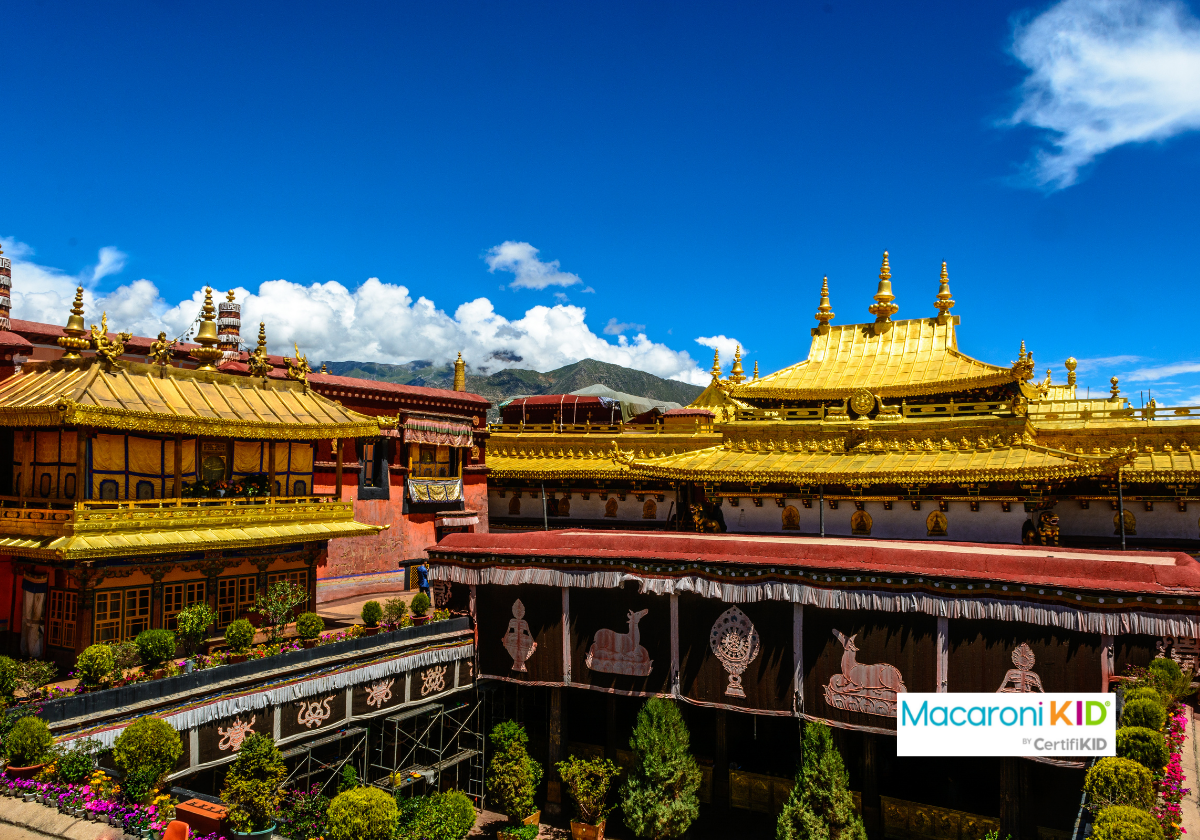
Tibet's Losar festival is steeped in their common Buddhist faith with an emphasis on continuous chanting of scripture to expel the evil demons that the Tibetan people believe exist everywhere, and praying for good luck and blessing for the coming year.
Families prepare for Losar by buying new clothes, thoroughly cleaning their homes to clear away the bad luck of the old year, and decorating with fragrant flowers and auspicious signs. The centerpiece of the home is the Losar altar, which is a basic Tibetan Buddhist shrine, but with additional items meant to invoke blessings and abundance for the New Year.
Fun fact: Because the Tibetan words for "sheep's head" and "beginning of the year" are similar, it is customary for families to make a sheep's head out of colored butter as a decoration! Losar festivities last several days and include gathering with family and friends, prayer ceremonies, exchanging gifts, eating traditional foods, and visiting local monasteries.
How to celebrate Losar at home:
- Take a virtual tour of Jokhang Temple, the holiest place in Tibetan Buddhism
- Learn some traditional Tibetan New Year's greetings
- Make khapse deep fried pastries most often eaten during Losar and momos "Tibetan dumplings"
- DIY your own Tibetan prayer flags
Mongolia
Tsagaan Sar literally translates to "White Moon," and is Mongolia's most important national holiday. While Tsagaan Sar celebrations and customs have changed several times since the holiday was first established in the 12th century, modern festivities focus on family togetherness and unity, paying respect to elders, passing on Mongolian culture and traditions to the younger generation, and welcoming spring with an optimistic spirit and kind heart.
Similar to other cultures, Mongol New Year's preparations focus on cleaning their homes and bodies, with the belief that cleanliness ushers in good luck, and preparing traditional foods. Tsagaan Sar festivities officially last three days and involve visiting with family, friends, and neighbors; many special rituals; and lots of eating with an emphasis on white food, which symbolizes purification.
How to celebrate Tsagaan Sar at home:
- Learn Zolgokh, the traditional Mongolian greeting performed during Tsagaan Sar - watch above video
- More than half of Mongols live in gers "yurts" - watch this video to see how a ger is built
- Make a Mongolian craft
Japan
You might be left wondering - what about Japan?
Japan is one of the few East Asian countries that no longer celebrates Lunar New Year. Once they adopted the more western Gregorian calendar they moved their New Year celebration - Oshōgatsu, to January 1st, it's one of their most celebrated holidays.
Happy Lunar New Year! I hope you enjoyed this tour of Lunar New Year traditions around the globe and have fun incorporating some in your own celebrations with your family this year.
 georgeclerk from Getty Images Signature via Canva georgeclerk from Getty Images Signature via Canva |
This previously shared article has been updated by Macaroni KID Conejo Valley - Malibu - Calabasas